Whether you’re a pet parent yourself or you’re house sitting as a pet sitter this festive season, it’s vital to know what pets can eat at Christmas.
In this guide to festive food for pets, we explore what you can and can’t put on your dog’s Christmas dinner, along with your cat’s, rabbit’s (and more!). Notepads at the ready!
Please note - some country rules vary by law.
The foods you should never give your pets from your Christmas dinner
Some Christmas foods are dangerous for all pets. Below, find a list of the most dangerous ingredients for pets found in common Christmas foods.
Onions & garlic
Pets should never eat foods containing onion, garlic, or any sort of allium. They’re common in stuffing, gravy, roast vegetables, Yorkshire puddings, and sauces. Even small amounts can be toxic to dogs, cats, rabbits, birds, and most other animals.
Raisins & grapes
Pets should never eat raisins, sultanas or grapes - even in small quantities. They’re especially toxic to dogs, and can cause severe poisoning. Common Christmas foods raisins and sultanas are found in include mince pies, Christmas pudding, stollen and fruitcake.
Chocolate
Chocolate is one of the most dangerous foods for pets, especially dogs and parrots. Keep your advent calendar and any dessert boards way out of your pet’s reach to prevent your dog eating something they shouldn’t.
Rich, fatty foods
Pets should never be fed high-fat foods. Christmas foods like gravy, roast potatoes, pigs in blankets, pecan pie, bread pudding, goose fat and turkey are full of it, and can cause stomach upset in pets.
Fatty foods can also cause pancreatitis (inflammation of the pancreas), in dogs and cats, which is a life-threatening emergency.
A surge of high-fat food causes the pancreas to work overtime, leading to its own enzymes attacking the organ. Symptoms include vomiting, lethargy, severe abdominal pain, and refusal to eat.
Bones (especially cooked poultry bones)
Never feed your pet bones - they splinter easily and pose a serious choking or internal injury risk.
Takeaway message for feeding your pet at Christmas:
If it’s heavily seasoned, sweet, glazed, alcoholic, or rich, don’t feed it to your pet.
For more information on what your specific pet can eat this Christmas, take a look below as we break down what dogs, cats, rodents, birds, reptiles and fish can eat over the festive period.
And naturally, always do your own research before feeding your pet something new, and speak to your vet if you notice any new behaviors or signs of an allergic reaction or stomach upset in your pet.
Trending posts
Purr-use some of the top blogs our members have been loving this month- Top male dog names for your new furry friendGot a new furry family member in your pack? Check…

- Top female dog names for your new fluffy palWelcoming a new pooch into your family? Explore…
- 250+ gray cat names your silver feline will loveRecently welcomed a fluffy gray bundle of joy into…

- What are normal pet sitting rates?Discover the average pet sitting rates for animals…
- Unique dog names to stand out from the packDare to be different with our list of the best…
What pets can and can't eat at Christmas
What can dogs eat for Christmas dinner?
Scratching your head over what your dog can eat from a Christmas dinner? Let’s break it down.
Dogs can have a little of the following:
- Cooked, plain turkey
- Cooked carrot
- Cooked, plain potato (without any fat)
- Cooked, plain Brussels sprouts
Dogs can’t eat:
- Stuffing and green bean casserole (contains onion and garlic)
- Pigs in blankets (full of fat and salt)
- Gravy (very rich)
- Chocolate (toxic to dogs)
- Mince pies (contain raisins)
- Bread pudding (high in sugar, dairy and spices)
- Pecan pie (nuts, sugar and spices)

What can cats eat for Christmas dinner?
Cats can eat a small amount of:
- Plain, cooked turkey
- Cooked vegetables like carrots and broccoli
Cats can’t eat:
- Stuffing
- Gravy
- Ham
- Pigs in blankets
- Anything containing dairy, garlic or onions
Cats have sensitive stomachs, so it’s important to stick to the rules when it comes to your cat’s Christmas dinner.
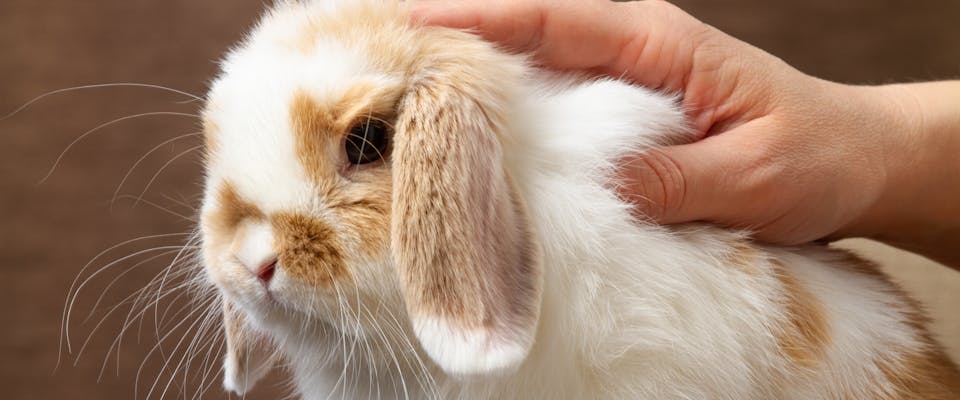
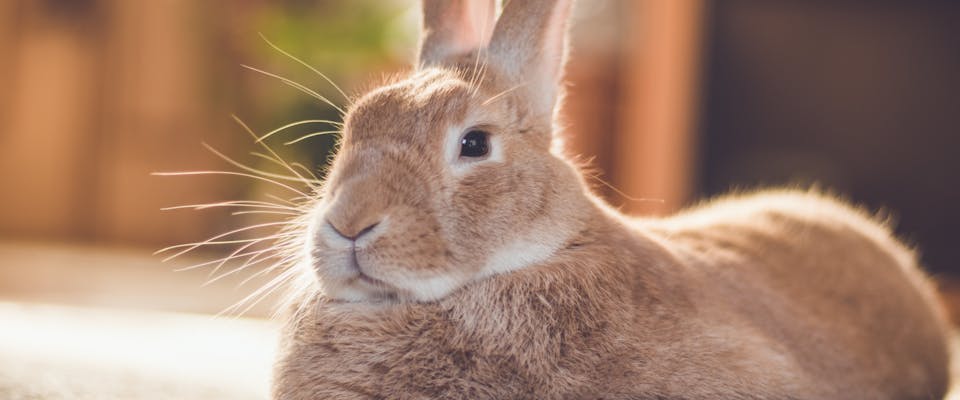
What can rabbits eat for Christmas dinner?
If rabbits ruled Christmas, the whole feast would be one big salad bar.
Here’s what rabbits can eat at Christmas:
- Carrots
- Brussels sprouts
- Herbs
- Kale
- Cabbage
It’s important to chop any vegetables for your rabbits into small pieces to prevent choking, and feed in moderation to avoid gas (sprouts in particular can be… expressive).
What can guinea pigs and hamsters eat for Christmas dinner?
Guinea pigs and hamsters can eat a few small pieces of raw Christmas vegetables, in small portions as a treat.
Here’s what to never feed your rabbit or guinea pig:
- Potatoes
- Gravy
- Stuffing
- Meat
- Cheese
- Chocolate
- Dessert crumbs
What can parrots eat for Christmas dinner?
Parrots are highly observant at Christmas - and very eager to join in! Parrots can eat raw, chopped vegetables including squash, cauliflower and green beans. Serve them chopped small to prevent choking, and watch them enjoy the moment with you.
Here’s what to never feed your parrot:
- Roast potatoes
- Seasoned vegetables
- Cheese
- Chocolate (extremely toxic)
- Avocado (one of the deadliest foods for birds)

What can goldfish eat for Christmas dinner?
Goldfish and other aquatic pets should not be fed any Christmas dinner items. Their health relies entirely on their specialised fish food and clean, consistent water conditions. Feeding them any type of human food, including starchy vegetables or meat scraps, can severely pollute their water and cause serious digestive issues.
What can reptiles eat for Christmas dinner?
Reptiles do not want Christmas dinner - they want consistency - so bear in mind that your pet’s diet should remain the same over the festive season, and any safe treats should be minimal.
For bearded dragons, a little raw carrot or sprout leaf is fine. Turtles should remain on pellets, insects, and species-appropriate greens. Their holiday joy comes from warmth, cleanliness, and routine.
What can horses and donkeys eat for Christmas dinner?
Horses and donkeys can eat a small amount of your raw Christmas parsnip as a treat, but largely their diet should remain the same over the festive season.
Here’s what to never feed your horse or donkey:
- Potatoes
- Bread
- Stuffing
- Desserts
- Anything cooked
The bottom line is to stick to your pet’s normal diet over the festive season - while we humans can benefit from a treat or two, your horse or donkey will be a whole lot happier with a consistent diet.
What can goats and sheep eat for Christmas dinner?
Goats and sheep love raw vegetables like carrots and sprouts, so you’ll often find them eating raw “Christmas” foods all year round!
Here’s what to never feed your goat or sheep:
- Cheese
- Stuffing
- Seasoned vegetables
- Anything fatty, with dairy or sugar
What can pigs eat for Christmas dinner?
Pigs will try to convince you they can eat everything, but small amounts of chopped raw vegetables will do just fine, avoiding anything rich or sweet.
What can alpacas eat for Christmas dinner?
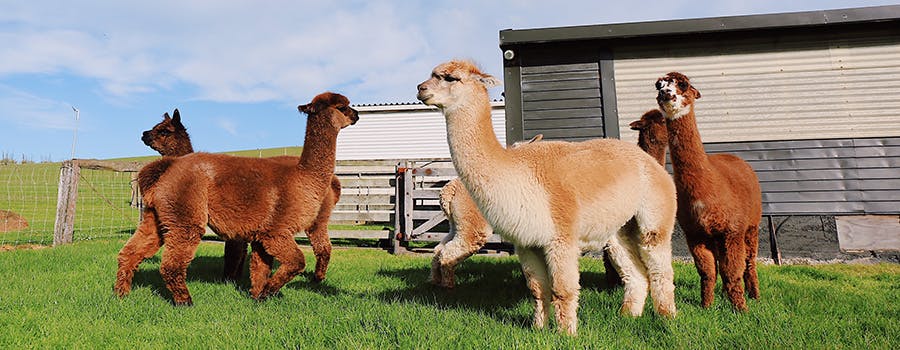
Alpacas enjoy plain raw carrots and sprouts, chopped small, but their diet should stay consistent over the festive period.

The bottom line when feeding pets at Christmas
- Keep your pet’s diet consistent, avoiding too many treats.
- If you’re house sitting, be sure to follow the pet parent’s meal plan for their furry (scaled or hoofed) family members.
- If you’re welcoming a pet sitter this festive season, leave clear instructions on how much to feed your pet, when, and foods to avoid.
- Check out local laws
- Stick to species-appropriate foods
- Only offer tiny, plain portions of safe Christmas foods
- Avoid anything seasoned, sugary, salty, fatty or alcoholic
- For livestock in the UK, never feed kitchen scraps
- Contact your vet if your pet seems unwell, or you think they’ve eaten something they shouldn’t have.
Stick to safe portion sizes for pets
Even when something is safe, portion size matters - especially if pets aren’t used to treats or have sensitive stomachs. Here are a few tips on keeping portion sizes safe for your pets this Christmas:
Keep treat portions tiny for your pet
A safe treat amount for most pets is no more than:
- Dogs: A tablespoon or two of plain turkey or veg (depending on size).
- Cats: A teaspoon-sized taste.
- Rabbits/guinea pigs/hamsters: Fingernail-sized pieces only.
- Birds: Small chopped raw veg pieces.
- Reptiles: Only species-appropriate portions - often pea-sized.
Think of it less as a side dish and more as a festive nibble.
Go slow if they’re new to certain foods
Even if it’s safe, sudden food changes can cause tummy upset. Always start tiny, observe, and avoid offering new foods if a pet already has digestive sensitivities in their profile.
Plate management
Keep pets away from the dinner table, plates on low coffee tables, and gift bags containing chocolate. Prevention is easier than correction.

Tips from a vet for treating your pet this Christmas
“Christmas is one of the busiest times of year for preventable pet emergencies - most of them caused by well-meaning sharing of festive foods. If a sitter suspects a pet has ingested a toxic food (like chocolate, raisins, or high amounts of onion/garlic), their immediate steps should be:
- Do not wait for symptoms to appear. Identify exactly what was eaten and approximately how much.
- Contact the emergency vet immediately, and the owner as soon as you can.
- Keep any packaging to show the veterinarian, or for homemade foods, try to find the recipe.
“With just a little awareness, sitters and owners can easily enjoy a safe, happy, worry-free holiday with the animals they love.”

Pets and Christmas dinner: FAQs
Can dogs have turkey?
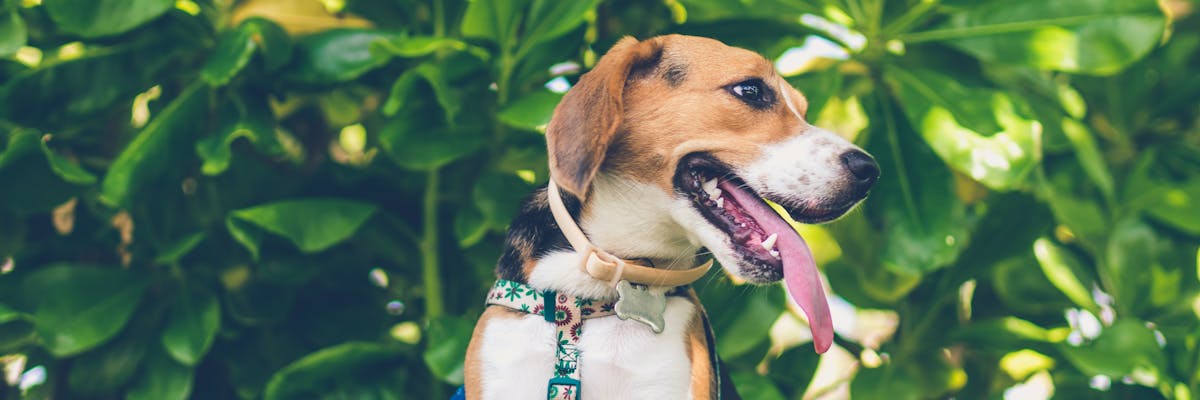
Yes, dogs can eat small amounts of cooked, plain turkey breast. Do not give your dog turkey skin because it’s high in fat, and make sure there aren’t any additional seasonings or cooking fats on the turkey you’re feeding your dog.
Can goats eat carrots?
Yes, goats can eat carrots - they’re rich in vitamins A, C and K, but should be served in small amounts to avoid stomach upset, and in small pieces to prevent choking.
Can rabbits eat potatoes?
No, rabbits shouldn’t eat potatoes - no matter how they’re cooked - because they’re high in starch and can cause digestive issues. Rabbits should live off a diet of hay, leafy greens and a few limited vegetables.
Can dogs have canned chicken?
No, dogs can’t have canned chicken that’s made for humans because it’s often high in salt, fat and seasonings that are bad for your dog’s health.
Can cats eat gravy?
No, cats can’t eat gravy because it’s high in fat and salt, and sometimes contains onions and garlic which is poisonous to cats.
Can cats eat cranberry sauce?
No, cats can’t eat cranberry sauce because it’s high in sugar, along with additives and preservatives that are harmful to cats, and can potentially cause stomach upset.
Can cats eat turkey skin?
No, cats can’t eat turkey skin - it’s too fatty, and fatty foods can cause an upset stomach and even pancreatitis in cats. If you’d like to treat your cat at Christmas, give them a tiny piece of plain cooked turkey breast.
Can guinea pigs eat ham?
No, guinea pigs should never eat ham, or any kind of meat. Guinea pigs are herbivores, so their diet should consist of hay and plants like leafy greens, fruits and vegetables.
Can alpacas eat potatoes?
No, alpacas shouldn’t eat potatoes as they’re part of the nightshade family and contain alkaloids that are toxic to them. Eating potatoes may cause trembling, paralysis or even death in alpacas.
Can hamsters eat Brussels sprouts?
Yes, hamsters can eat Brussels sprouts in small amounts - but be careful not to overfeed as Brussels sprouts (like cabbage) can cause gas and digestive upset in hamsters.
Can guinea pigs have Christmas carrots?
Guinea pigs should only be eating raw carrots - never feed your guinea pig cooked carrots, or foods with any seasonings or sweeteners.
Can parrots eat Brussels sprouts?
Yes, parrots can eat Brussels sprouts - they’re full of nutrients and can be served raw or cooked, chopped into manageable pieces.
Can reptiles eat mashed potatoes or stuffing?
No, reptiles should never eat mashed potatoes or stuffing - they require a specific diet which needs to be followed strictly. For example, turtles should remain on pellets, insects, and species-appropriate greens.
Can horses eat parsnips or sprouts?
Yes, horses can eat parsnips and sprouts raw, chopped, and in small amounts.
Always triple check your local laws before feeding your livestock, and contact your vet if your pet seems unwell, or you think they may have eaten something they shouldn’t.